Wednesday, May 10, 2023

Fairies in the Flowers: A Peek-a-Boo Project

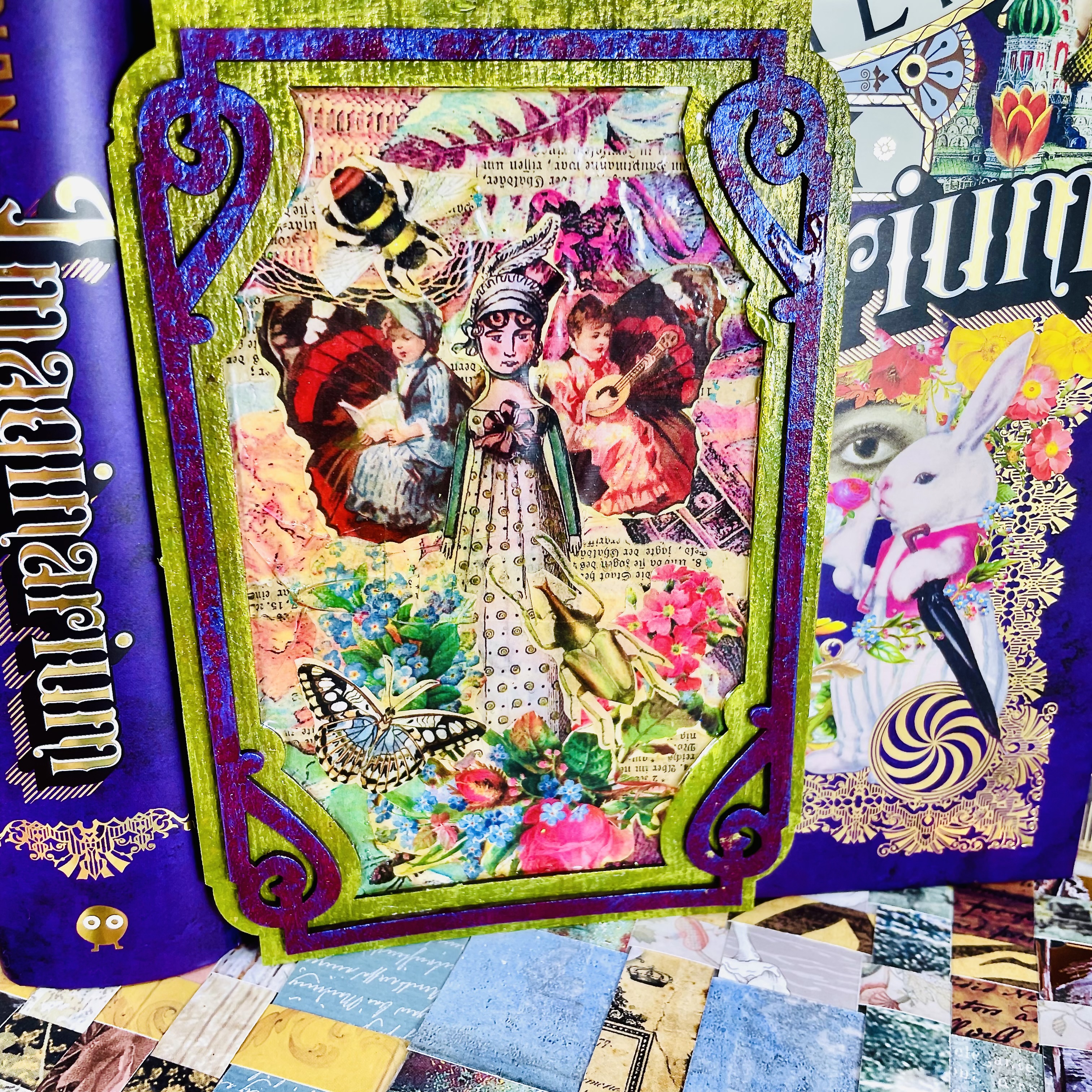
I am missing the old homestead this time of year, as another Mother’s Day approaches without my sweet momma being with us. Her flower gardens were magical, we had a lilac hedge between the lower lawn and the newly plowed garden. A pathway between the row of lilacs, keep the tulips and the lupins in the designated area. Ancient Old Fashioned yellow roses next to these, with three lavender colored petals Ohio Spiderworts at their base, a remembrance of my grandparents time spent in that state. A narrow bed of Siberian  Irises between, the front yard, driveway and garden had a clump of orange poppies and painted tinted daisies. Gladiolus were planted in rows of the bountiful garden with its bread and butter corn, zucaanni and yellow squash, red beets, string bean, potatoes, kohlrabi and sometimes lama beans and peas. The lower end of the garden had a row of pink, red, and white peonies we were told that ants were needed to help them bloom as their bud were so compacted. The last flower bed at this side of the garden was one of my favorites, as it held the Bearded Iris Collection. 

There is another flower garden that was hidden in the side yard, beyond the black walnut trees, and hickory nut tree, along the old road in the shadow of the woodshed. This was the wildflower garden, perhaps the most magical of all, almost as if fairies could be found frolicking there. These are the inspirations for this artwork.


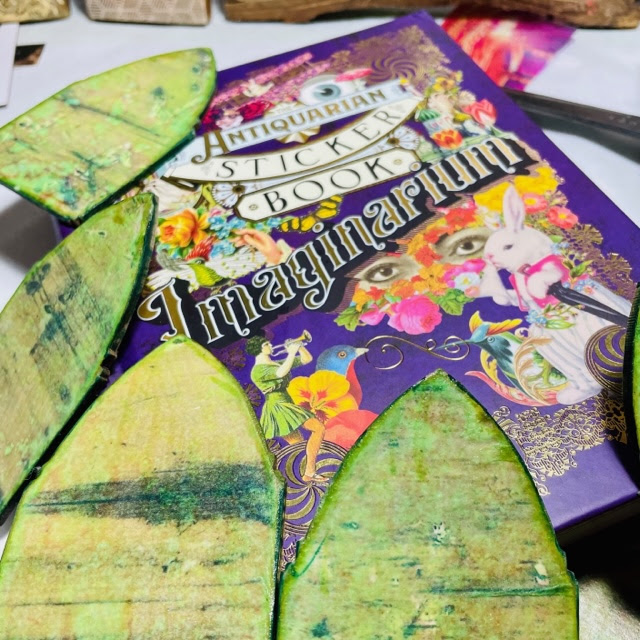
Supplies:  GSLC Arch Top Houe Silhouettes, Antiquarian Sticker Book: Imaginarium, Printed Woodgrain, Pencil, UHU GlueStick, Sanding Block, Green Markers, DecoArt Matte Gel Medium, Paintbrush, 49 Market Rub Ons, Fern Vine Paper Punch, Old Calendar Pictures, Ranger Glossy Accents Dimensional Medium, Small Plastic Palette Knife, Blending Tool, Brown Archival Inks


  1. Gather Supplies.
  2. Print Wood Grain on Ink Jet Printer.
  3. Spritz with Water Allowing to Patina the Print.
  4. Once Fully Dry Trace using  GSLC Arch Top House Silhouettes  With Pencil  and Cut Out.
  5. Use a UHU GlueStick to Apply Cut Outs to GSLC Arch Top House Silhouettes.
  6. Once Fully Dry Use a Sanding Block to Tidy Up the Edges.
  7. Darken the Edges of GSLC Arch Top House Silhouettes with Green Markers.
  8. Seal it all in with DecoArt Matte Gel Medium and a Paintbrush.
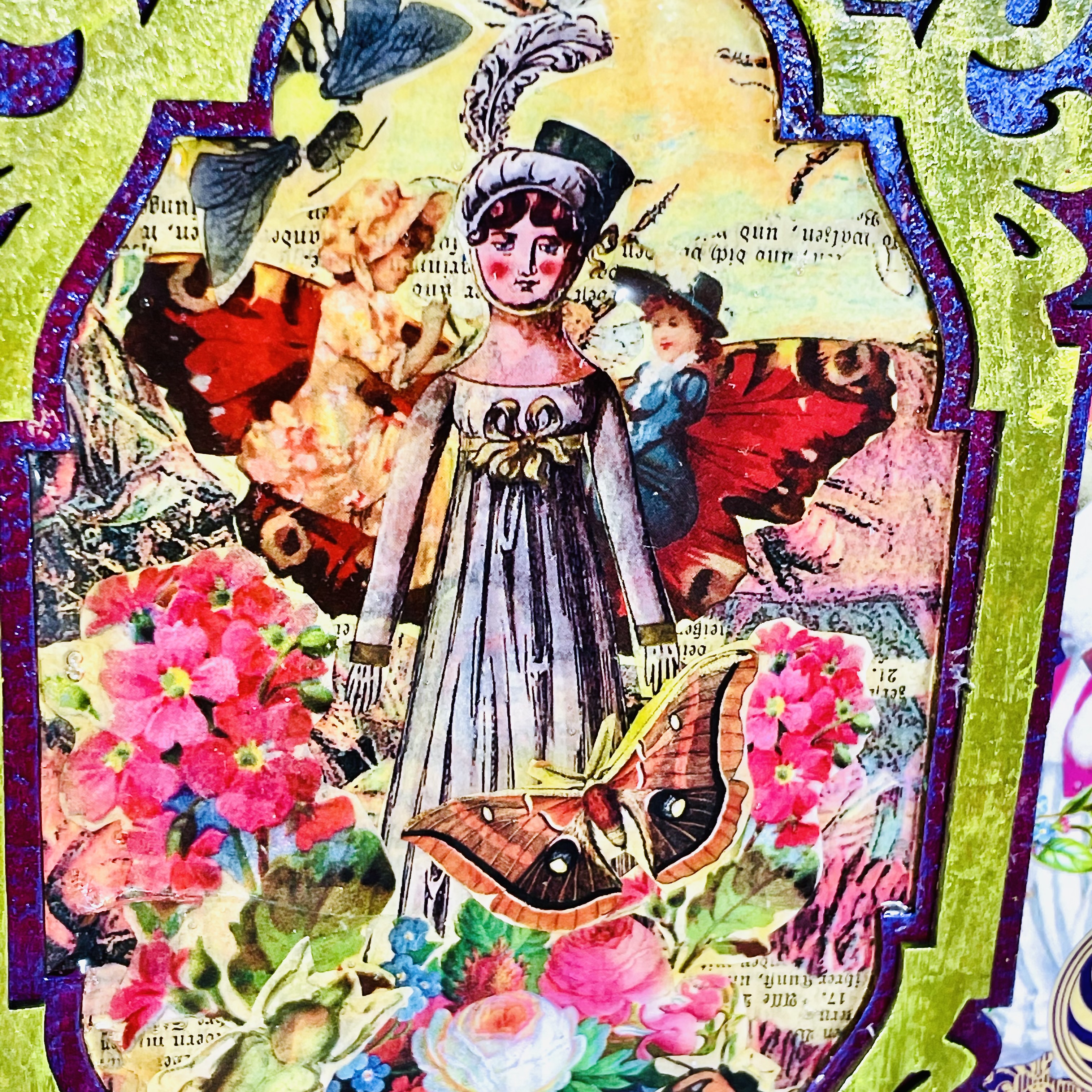
  9. Collect Images from Antiquarian Sticker Book: Imaginarium. I Found Lovely Flower Fairies and Glued Them as Focal Points in Center of GSLC Arch Top House Silhouettes.
  10. Next Add 49 Market Rub Ons of Stamps , Butterflies and Flowers, Creating a Collage Effect.
  11. Use Fern Vine Paper Punch and Old Calendar Pictures to Add to the Collages.
  12. Once Layered and Satisfied With The Content, use a Ranger Glossy Accents Dimensional Medium and a Small Plastic Palette Knife to Unify the Completed Collages.
  13. Darken the Edges with a Blending Tool and Brown Archival Inks.

Final Thoughts

I was fascinated by the Cottingley Fairies Story. Two young cousins, in 1917 convinced their neighbors and eventually the larger world that there were fairies at the bottom of their gardens. Cottingley Beck still flows in English Countryside. They eventually photographed them and presented them to their family and to the Theosophical Society. Eve. Decade laters it would eventually confirmed they were fakes, cut-out figures, copied from “Princess Mary’s Gift Book” published in 1914. Finally in 1983 one of the young girls now much older, confessed to the hoax.

My momma’s wildflower garden was a collection of ones we gathered in the hollows and woodlands near our family homestead. The mosses almost glow with their intense greenery. It is too early for the mysterious India Pipes to appear with their milky translucent stems and solitary nodding flower.  Soon the flowerbed will carpeted with the dainty purple violets, the strange jack-in-the-pulpits, the brown-mottled tiger lilies, the elusive pink lady slippers, the comical Dutchman breeches, the attractive dainty white and pink striped spring beauties, called "piss in the beds" by his normally regal mother. There will be odd red and white trilliums, named "Nose Bleeds" by his inquisitive mother. Spring is truly the time when the world wakes up with an ever-changing landscape.  


Wednesday, April 26, 2023

A Fraktur-esque Folk Art Collage-A Peek-a-Boo Project

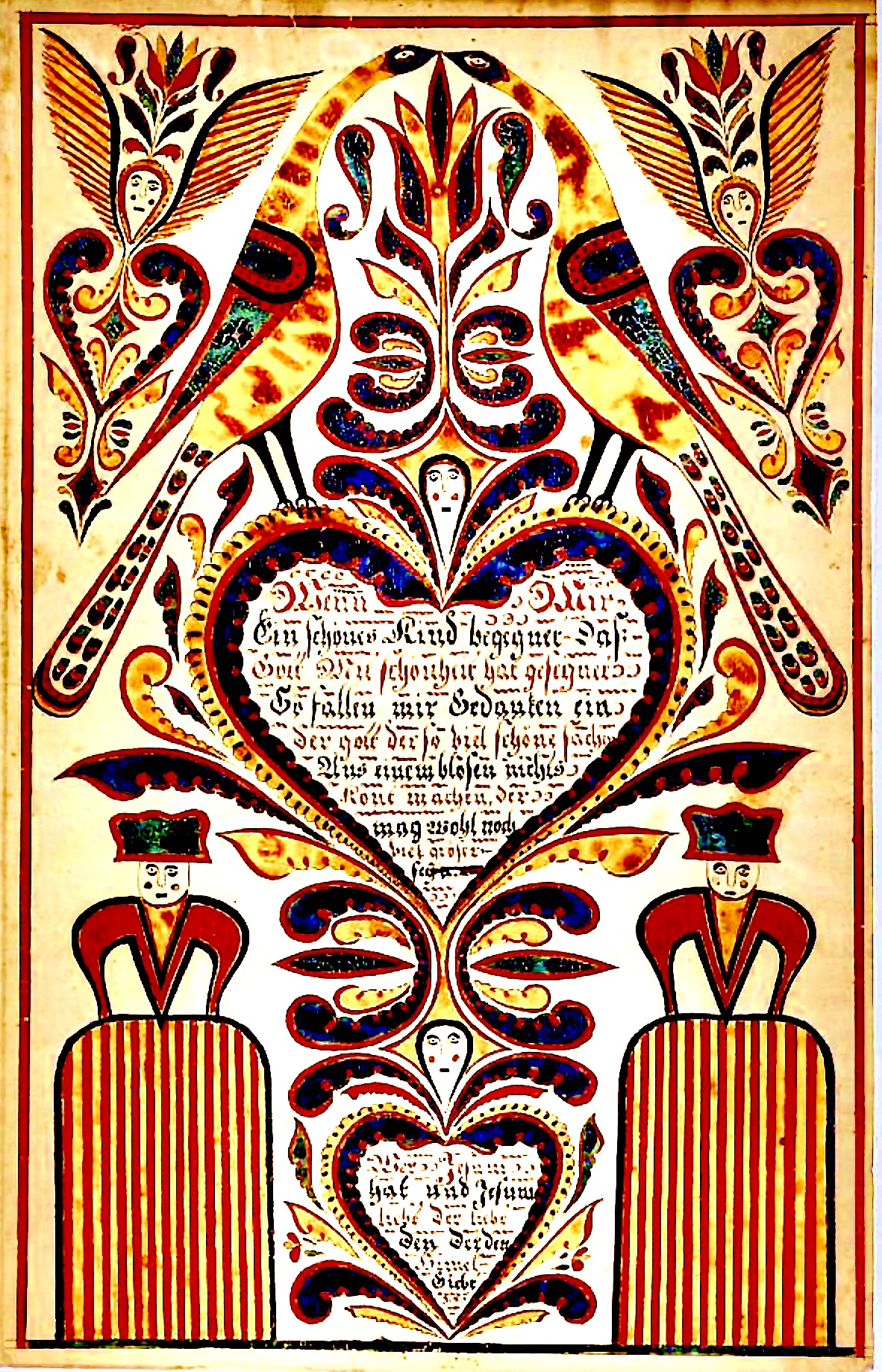
 In my last post I spoke briefly of the Fraktur art style of Pennsylvania Dutch Art, it is what I was trying to mimic in my collage. Fraktur means “broken” or “fragmented” and that is exactly what a collage is. The Fraktur form would be that most likely practiced by the "Fancy Dutch" in this region of Pennsylvania. 

Last Year I was walking through our local JOANN’s fabric and craft store and came upon this most wonderful book, Antiquarian Sticker Book: Imaginarium. It along with my love for collage and wanting to attempt a folk art assemblage is the inspiration for this artwork.

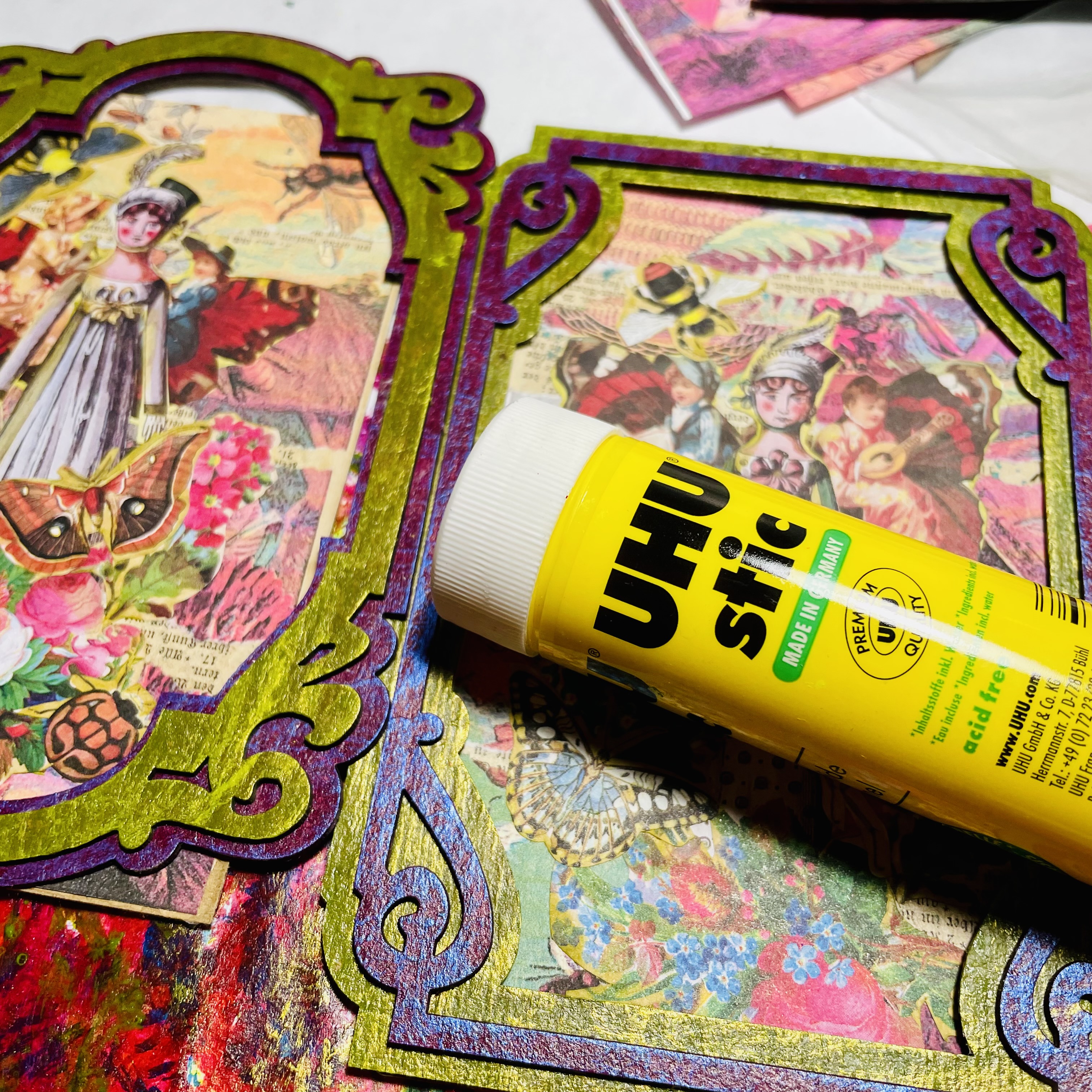
Supplies:  GSLC Layered Frame Lyla, GSLC Layered Frame Skylar, Golden Quinacridone Magenta, Golden Green Gold, FolkArt ColorShift PurpleFlash, FolkArt ColorShift GreenFlash Acrylic Paints, Paintbrush,UHU GlueStick, Thin Cardboard, Ruler, Pencil, Ancient Script, Digital Manipulated Images, Antiquarian Sticker Book: Imaginarium, Scissors,Glossy Accent Clear Dimensional Medium

  1. Gather Supplies.
  2. Paint Base of GSLC Layered Frame Lyla and Top Portion of GSLC Layered Frame Skylar with Golden Quinacridone Magenta Acrylic Paint.
  3. Once Dry Use Dry Brush Technique to Paint Over Top with ColorShift PurpleFlash.
  4. Paint Top Portion  of GSLC Layered Frame Lyla and Base of GSLC Layered Frame Skylar with Golden Green Gold Acrylic Paint.
  5. Once Dry Use Dry Brush Technique to Paint Over Top with ColorShift GreenFlash.
  6. Glue GSLC Layered Frames Together Using a UHU GlueStick.
  7. Measure a Piece of Thin Cardboard to Size of Frame to Build Your Collage Upon.
  8. Glue Down a Page of Ancient Text onto Cut Cardboard.
  9. Tear Strips or Digital Manipulated Images and Glue Them On Top of Ancient Script.
  10. Collect Stickers from Antiquarian Sticker Book: Imaginarium and Create a Pleasing Collage.
  11. Glue Prepared Collage to Back of GSLC Layered Frames and Allow to Dry Fully.
  12. Add a Layer of Glossy Accent Dimensional Medium.


Final Thoughts 


Some Pennsylvania Dutch Sayings:

    Wer lauert an der Wand, Heert sie eegni Schand.----If you listen through the wall, you will hear others recite your faults.

Der Siffer hot zu viel geleppert.----The drunkard had just sipped too much.

  Alle Daag rumhersitze macht em faul.----Sitting all day makes one lazy.

Er hot en iwwerflissich lewe gfaahre.---He lived the abundant life.

  Er harricht gut, awwer er foligt schlecht.---He hears well, but obeys poorly.


Some delicious Pennsylvania Dutch Dishes:

Shoofly Pie, Apple Dumplings, Whoopie Pies, Apple Butter, Hot Bacon Dressing with Dandelion Greens, Hamloaf, Lebanon Bloogna, Chicken Pot Pie, Chicken and Corn Soup, Pickled Beets, Red Beet Eggs, Beef and Noodles, Pork and Sauerkraut, Funnel Cakes and Birch Beer Just to name a few of my favorites.


Wednesday, April 12, 2023

Pennsylvania Dutch Dainty Delights-A Peek-a-Boo-Project


Growing up in Pennsylvania I was aware of my German Heritage but it was also infused with The Pennsylvania Dutch Culture. The Pennsylvania Dutch are a group of English-speaking people who descended from German immigrants. The Amish are a subset of the Pennsylvania Dutch that live in rural areas and practice a simple lifestyle. Some Amish people in the Lancaster area continue to speak Pennsylvanian Dutch or Dietsch. Amish groups tend to shy away from technology and involvement with the “outside” world. They dress plainly and uses scooters and buggies for transportation. The Pennsylvania Dutch have embraced some of the world technologies and use motorized vehicles as well as electricity and telephones in their homes. 

To the Amish, art is considered wasteful, so anything artistic  tends to have functional value instead of merely providing an aesthetic pleasure. Since quilts can be used for a purpose, they are considered a sanctioned channel of creativity. 

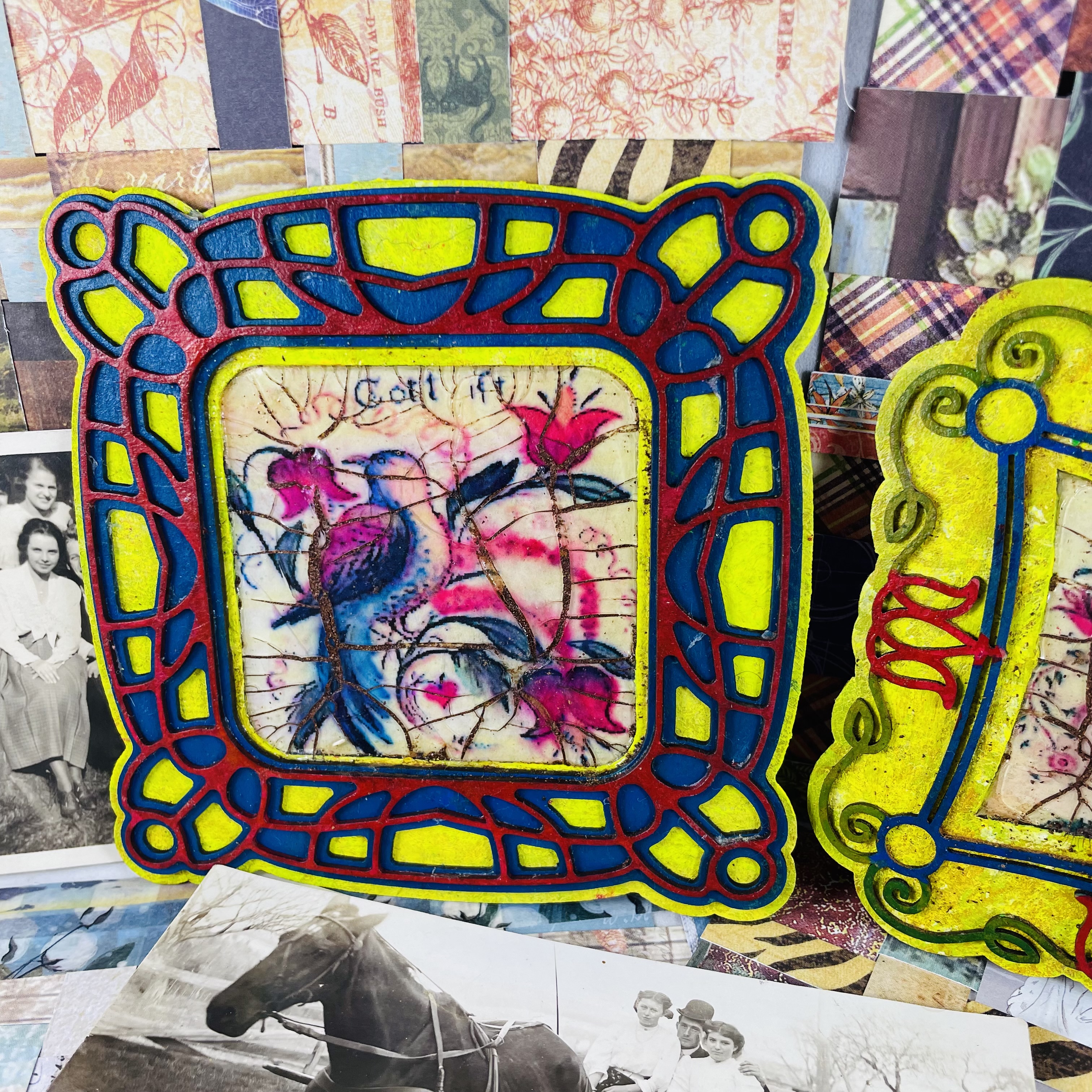
Pennsylvania Dutch artwork is characterized by the bold use of color and motifs that emphasize birds, flowers and elaborate decoration. Fraktur is a highly artistic form, an elaborate illuminated folk art from this region and pronounced “frock-tour”, made mostly by the "Fancy Dutch". They are the inspiration of this artwork, although these pieces represent the "Plain Dutch" as their designs are less sophisticated and extravagant. My next post will delve more into the Pennsylvania Dutch Culture and Traditions.


Supplies:  GSLC Double Layer Wire Frame Tulip, GSLC Triple Layered Frame-Coming Soon, Yellow, Gold, Blue, Red acrylic Paints, Paintbrush, Thin Cardboard, UHU GlueStick, Prepared Digital Images, DecoArt One Step Crackle, Ground Cinnamon, Matte Gel Medium


  1. Gather Supplies.
  2. Paint Base of GSLC Double Layer Wire Frame Tulip and Base of GSLC Triple Layered Frame in Shades of Yellow and Gold.
  3. Next Paint Upper Portion of GSLC Double Layer Wire Frame Tulip with Blue, Green, and Red Acrylic Paints.
  4. Paint Second Portion of GSLC Triple Layered Frame Same Blue you Used for Other Frame.
  5. Paint Top Portion of GSLC Triple Layered Frame Same Red you Used for Other Frame.
  6. Glue all Layers of Frames Together Using a UHU GlueStick.
  7. Cut Out Squares of Cardboard to Add Prepared Digital Images To.
  8. Glue Images to Cardboard Squares.
  9. Glue Images to Back of Layered Frames, Allow to Dry Fully.
  10. Add a Layer of DecoArt One step Crackle and Allow to Dry Fully.
  11. Carefully rub Ground Cinnamon Into the Cracks.
  12. Seal Carefully With Matte Gel Medium. 

Final Thoughts:

Some of the most recognizable of the Pennsylvania Dutch artwork are the Hex Signs sometimes seen painted on a variety buildings in this area of Pennsylvania. They were meant to protect or place “hex” on the structures and things inside of them from evil and misfortune. 

Hex signs typically have bright colors and engaging designs, adding a pleasing visual display to farm buildings. The combination of folk magic and symbolism has a strong influence on hex signs. Circles and stars are predominant geometric designs, symbolizing divinity and the circle of life.

Hex signs could feature a variety of symbols, including birds and flowers. Pomegranates symbolized fertility, eagles stood for strength, hearts symbolized love, birds symbolized luck and happiness, stars brought good luck, and tulips symbolized faith. Oak leaves and acorns brought strength, and rosettes on a hex sign could protect a farm from famine. The colors featured in hex signs also carried important symbolism. Blue added protection, green provided abundance, white symbolized purity, and red stood for strong emotion.

The Pennsylvania Dutch enjoyed incorporating folk art throughout their homes and farms. Folk art incorporated a strong connection between the Pennsylvania Dutch people and the nature around them. They often added folk art designs to birth certificates, marriage certificates, utensils, plates, furniture, and even tombstones. These farmers also painted designs on doors and walls in their homes.

Another area of Pennsylvania, Near Allentown in Northern Berks County, boasts of a Pennsylvania Dutch Hex Sign Tour. Also called Barn art, the hex sign area includes all of Berks and Lehigh, and portions of seven adjacent counties. The heaviest concentrations are found in the area of Old Route 22-The Hex Tour Highway.

The tour is self-guided, and the route is 47 miles. I have never taken the tour but that say you should really think of this as an opportunity to get lost in Berks County.